
Lighting Trends for 2026
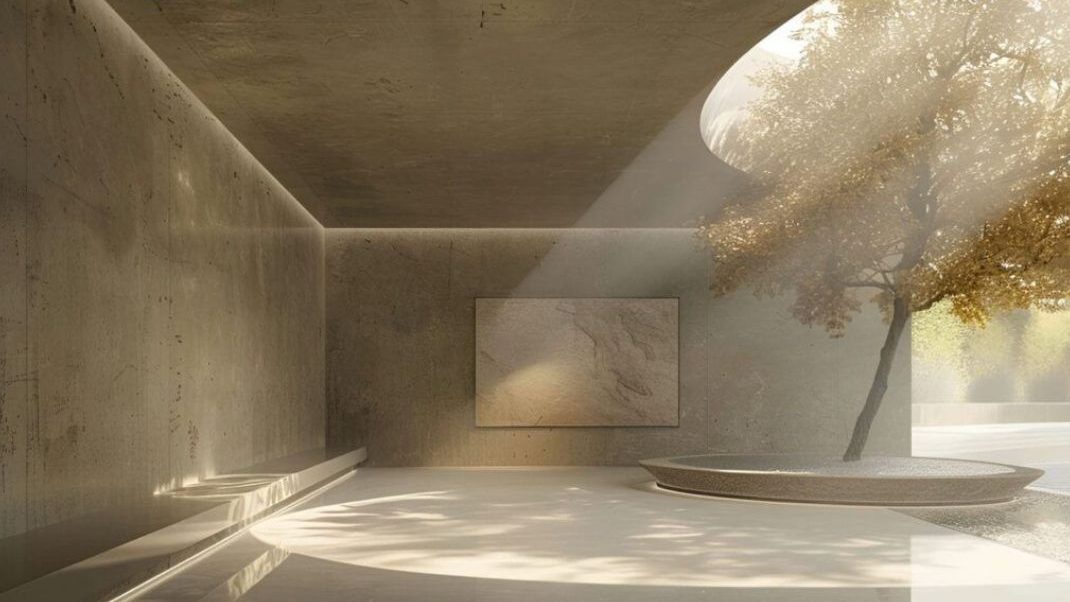
Lighting trends for 2026 are shaped by more than aesthetics alone. They reflect how we live, how we feel, and how we respond to an increasingly loud and uncertain world. Politically, economically and digitally, daily life is saturated with noise and stimulation. In response, interior design — and lighting in particular — is moving decisively towards calm, discrete and human-centred thinking.
Lighting is no longer treated as a purely functional afterthought. Instead, it is becoming a layered, tactile and emotionally responsive element of the home. The key themes defining lighting in 2026 are subtlety, texture, materials, form and, above all, user experience.
Lighting as an Experience
One of the most significant shifts in lighting design is the move away from static, one-size-fits-all solutions. Lighting has evolved into something programmable and adaptable, capable of responding to time of day, natural light levels and the needs of the user. Smart lighting systems and automated controls allow spaces to shift effortlessly from bright and functional during the day to warm and restorative in the evening.
Designers are increasingly using light fittings not only as sources of illumination, but as objects of visual and emotional value. Lighting is now expected to influence mood, support wellbeing and enhance the way people experience a space — a core principle of human-centric design.
Human-Centric Lighting: More Than a Buzzword
Human-centric lighting (HCL) is no longer a niche concept; it is central to lighting design in the 21st century. This approach considers how light affects circadian rhythms, productivity, relaxation and overall wellbeing.
Key technical factors are becoming part of everyday design conversations:
- CRI (Colour Rendering Index): High-CRI lighting (90+) ensures colours appear natural and accurate, which is especially important in kitchens, bathrooms and dressing areas. Commercially, this matters in spaces like art galleries and showrooms, where clear, accurate light is needed to showcase product.
- CCT (Correlated Colour Temperature): Cooler light (4000K–5000K) supports focus in workspaces, while warmer light (2700K–3000K) promotes relaxation in living areas and bedrooms. If this CCT is tuneable, or automatically adaptive, it’s one less thing for the user to manage, while gaining the benefit of naturally simulated lighting.
- Lux Levels: Thoughtful control of brightness ensures each space is lit appropriately — higher lux levels for task areas such as kitchens and studies, and lower levels for lounges, bedrooms and circulation spaces. This is a critical distinction in commercial areas, where SANS levels needs to be adhered to, but you don’t wish to flood the room or overwhelm the occupants. It’s all about balance.
By tailoring CRI, CCT and lux levels to each area of the home, office, store or restaurant, lighting becomes intuitive and supportive rather than intrusive.
Recessed and Linear Lighting
Recessed LED strip lighting continues to dominate residential and hospitality projects, and this trend shows no sign of slowing down in 2026. Integrated LED strips under kitchen cabinets, along bathroom vanities and concealed within ceiling coves offer a clean, architectural aesthetic that aligns perfectly with modern minimalist interiors.
The appeal lies in versatility. LED strips are long-lasting, energy-efficient, easy to install and increasingly well priced. More importantly, they provide soft, indirect light that reduces glare and visual fatigue. Homeowners are also becoming bolder in how they use linear lighting — highlighting staircases, shelving, headboards and even outdoor architectural features.
Sculptural and Statement Lighting
At the other end of the spectrum, oversized or boldly coloured feature lights are becoming focal points in otherwise restrained interiors. As interior palettes shift towards richer, earthier neutrals or embrace full maximalism, lighting objects are following suit.
Pendant lights and wall lights are becoming more sculptural, often blurring the line between functional lighting and art. These pieces introduce personality and drama while still serving a practical role. In open-plan spaces especially, a statement light can anchor a room visually without overwhelming it.
There is a rise in local, South African designed light fittings that are reaching a more commercial market, which is exciting. It’s no longer only the Italian or European designers that get prioritised for expensive, high-end, feature pieces.
Texture and Materiality
Texture is one of the defining lighting trends for 2026. As smooth, ultra-polished interiors from recent seasons give way to warmer and more tactile environments, lighting materials are evolving accordingly. Designers are gravitating towards fittings that invite touch and create visual depth.
Natural materials such as Japanese paper, unglazed ceramics, textured fabrics and patterned or tinted glass are increasingly popular. These materials soften light, creating gentle diffusion rather than harsh brightness. While rattan and bamboo lighting have dominated recent years, their popularity is slowly waning — not disappearing but transforming into more refined and unexpected applications.
This shift aligns closely with design movements such as Wabi-Sabi and Japandi, which celebrates imperfection, natural ageing and authenticity. Slight irregularities in handmade shades, raw finishes and visible textures add warmth and soul to a space, reinforcing the idea that lighting should feel lived-in rather than showroom perfect.
Colour
Colour continues to play a subtle but important role in lighting design. The Pantone Colour of the Year, as the name suggests, changes annually. In recent years (2016-2023), the colours have been bright and bold. 2024 saw a shift to the first earthy tone, and 2026 has, controversially, simply chose a shade of white. Recent emphasis on warmth and grounded tones, is expected to carry into 2026 palettes for interiors and design. Earthy browns, muted blues, clay reds and soft golds are being incorporated into lighting finishes and glass tints, along with a mostly white or monotone colour as a backdrop.
Rather than dominating a space, colour in lighting is used to enhance atmosphere. Tinted glass, coloured ceramics and softly pigmented metals introduce depth without overwhelming the eye. These tones work particularly well in calming interiors designed as refuges from external stress and uncertainty.
Minimalism, Calm, Refuge
Minimalist interiors are also evolving. Where minimalism once meant stark whites and hard contrasts, it is now warmer, softer and more forgiving. This shift reflects a broader cultural need for calm and refuge as people retreat from global instability and economic pressure.
Lighting plays a critical role in creating this sense of sanctuary. Soft layers of light, warm colour temperatures and carefully controlled brightness levels help reduce sensory overload. Rather than flooding a room with light, designers are focusing on illuminating what matters — surfaces, pathways and moments. There is also a shift from overpowering overhead lighting to more options on movable, decorative lighting in table- and floor lamp options.
Quiet Counterbalance
Ultimately, lighting trends for 2026 reflect a collective desire for balance. In a world marked by political uncertainty, economic pressure and constant digital noise, interiors are becoming quieter, more intentional spaces. Lighting supports this philosophy by offering comfort, adaptability and emotional resonance.
Whether through discreet recessed lighting, textured handcrafted fittings or carefully tuned human-centric systems, lighting in 2026 is less about spectacle and more about how it makes people feel. It is lighting designed not to shout, but to soothe — a quiet but powerful counterbalance to the noise beyond our walls.
hello@mask-design.co.za
+27 64 908 8411


